Septic Field Installation in Columbus, OH
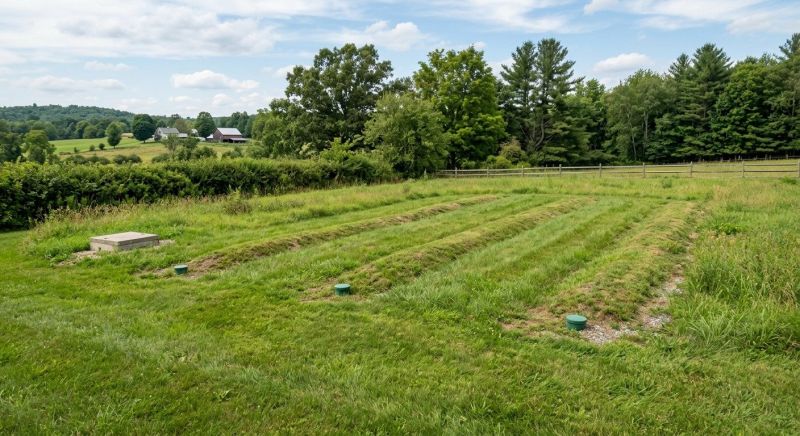
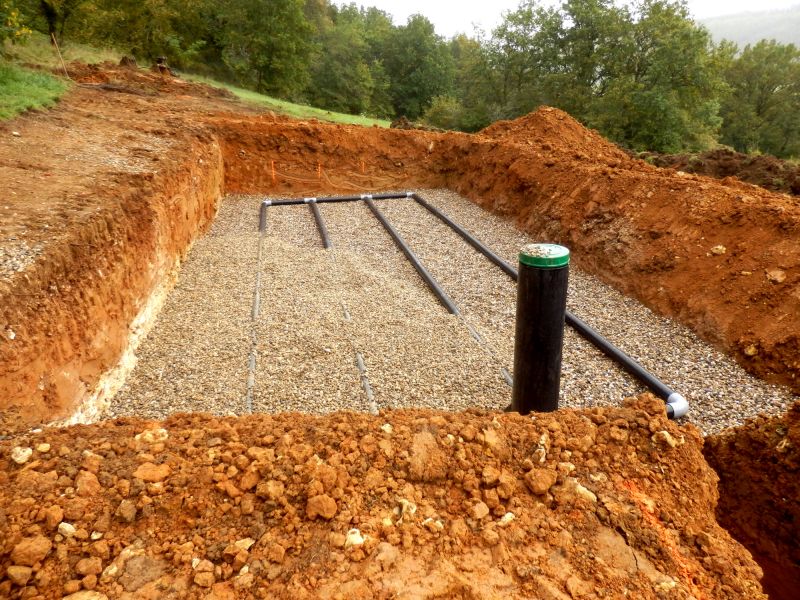
Septic field installation involves setting up a drainage system that safely manages wastewater from a property’s septic tank. This service is essential for homes that rely on onsite sewage systems, particularly in areas where municipal sewer connections are not available. Projects typically include selecting the appropriate type of drain field, preparing the site, and installing the necessary pipes and gravel beds to ensure proper wastewater treatment. Property owners often want to understand the size and layout of the septic field, suitable locations on their property, and any site-specific considerations like soil type or space restrictions before requesting installation services.
Before requesting septic field installation, homeowners should consider factors such as the size of their household, property size, and local regulations that may influence system design. It’s also helpful to know the condition of the soil and the proximity to wells or water sources, as these can impact the type of system recommended. Clear communication about the property’s layout and any existing infrastructure can help ensure the installation process proceeds smoothly and meets the property’s needs.
Many property owners in Columbus, OH look into Septic Field Installation for repairs, replacements, upgrades, and appearance-related improvements.

Septic Field Design And Planning
Proper planning ensures efficient and reliable septic system performance for residential properties in columbus, oh.
Septic System Installation
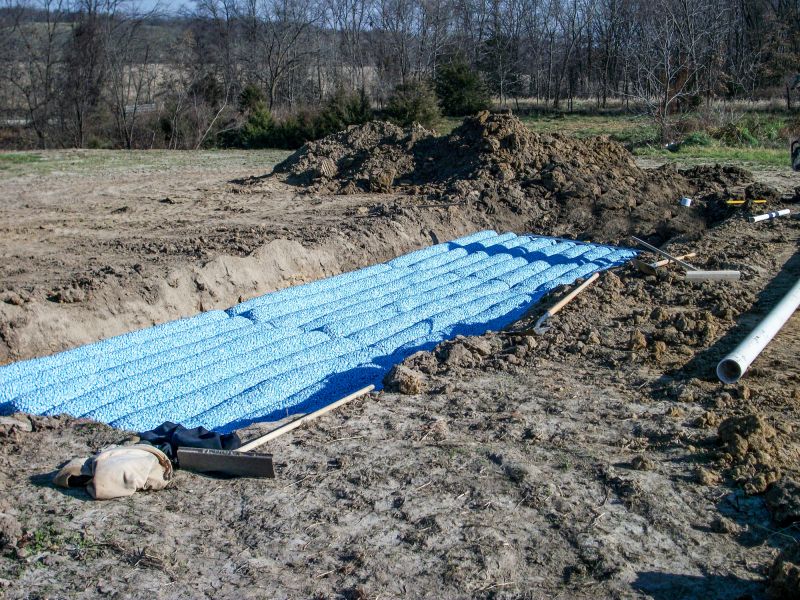
Installation involves carefully placing the drain field to optimize wastewater absorption and prevent system failure.
Septic System Maintenance And Repair
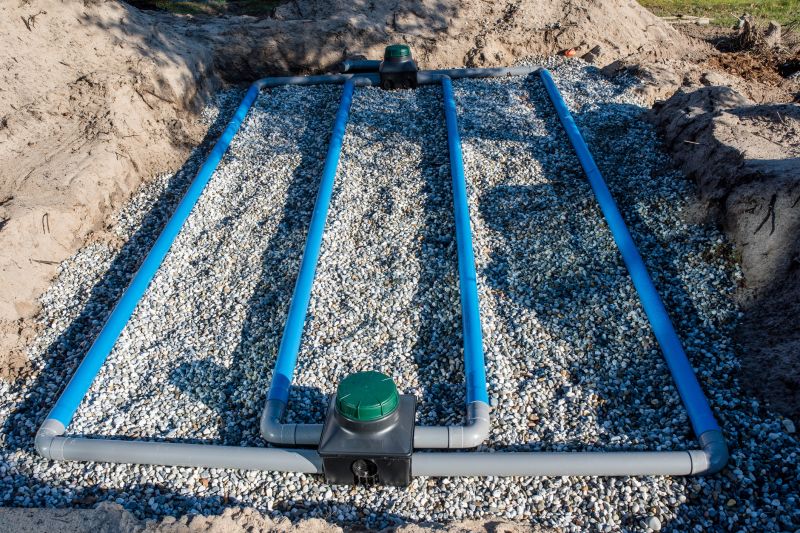
Regular maintenance helps extend the lifespan of the septic field and maintains proper function over time.
Septic Field Installation in Columbus, OH

Septic field installation involves setting up a drainage system that safely manages wastewater from a property’s septic tank. This service is essential for homes that rely on onsite sewage systems, particularly in areas where municipal sewer connections are not available. Projects typically include selecting the appropriate type of drain field, preparing the site, and installing the necessary pipes and gravel beds to ensure proper wastewater treatment. Property owners often want to understand the size and layout of the septic field, suitable locations on their property, and any site-specific considerations like soil type or space restrictions before requesting installation services.
Before requesting septic field installation, homeowners should consider factors such as the size of their household, property size, and local regulations that may influence system design. It’s also helpful to know the condition of the soil and the proximity to wells or water sources, as these can impact the type of system recommended. Clear communication about the property’s layout and any existing infrastructure can help ensure the installation process proceeds smoothly and meets the property’s needs.
Many property owners in Columbus, OH look into Septic Field Installation for repairs, replacements, upgrades, and appearance-related improvements.
Common Septic Field Installation Jobs
Septic Field Installation - Installing new drain fields to ensure proper wastewater management.
Septic System Replacement - Replacing outdated or failing septic fields for reliable operation.
Drain Field Design - Planning and designing effective septic drain fields tailored to property needs.
Septic System Upgrades - Upgrading existing systems to improve efficiency and meet current standards.
Leach Field Installation - Installing leach fields to distribute wastewater safely into the soil.
Site Evaluation Services - Assessing property conditions to determine suitable locations for septic fields.

Septic Field Installation Questions
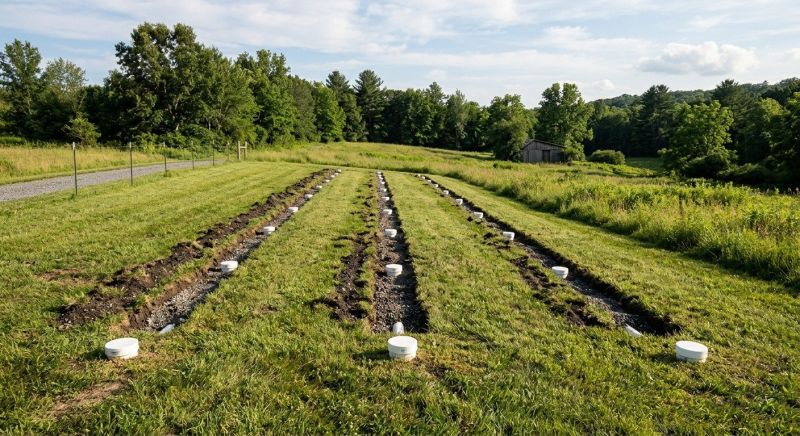
What is a septic field? A septic field is an underground system that treats and disperses wastewater from a property’s septic tank into the soil.
How is a septic field installed? Installation involves excavating trenches, laying perforated pipes, and covering them with soil to allow natural filtration of wastewater.
What factors influence septic field size? The size depends on the property’s size, soil type, and estimated wastewater flow to ensure proper functioning.
Are there different types of septic fields? Yes, common types include traditional gravel beds and alternative systems like mound or chamber designs, suitable for various site conditions.
Request Septic Field Installation in Columbus, OH
Use the quote form on this page to share the basics of your project and request more information for the type of work you need.